

storm damage prevention Georgia seasonal
Georgia Storm Season 2026: How to Protect Your Home
Georgia storm season runs May through September. Here's a homeowner's checklist to protect your property from wind, rain, and flood damage.
· Fred Terrell
Mold removal means eliminating all mold from your home. Mold remediation means returning mold levels to normal, safe concentrations. The difference matters because total mold removal is impossible — mold spores exist naturally in every indoor and outdoor environment on earth. Any company promising “complete mold removal” is either misleading you or does not understand the science.
Here is what Georgia homeowners actually need to know.
Mold spores are a natural part of the air you breathe. The EPA estimates that there are over 100,000 species of mold, and their spores are present in virtually every cubic foot of air — indoors and outdoors. You cannot eliminate them.
The problem is not that mold spores exist. The problem is when conditions in your home allow those spores to germinate and grow to unsafe levels. Normal outdoor spore counts range from 200 to 5,000 spores per cubic meter. When indoor counts exceed outdoor counts, or when toxic species like Stachybotrys or Aspergillus are elevated, you have a mold problem that requires professional intervention.
That intervention is remediation — not removal.
Remediation comes from the Latin word remedium, meaning “to cure.” It is the process of returning your home’s mold levels to normal, safe concentrations. Not zero mold — that is impossible. It means levels that match or fall below typical outdoor concentrations, with no active colonies growing inside your home.
The professional remediation process involves six steps:
Assessment and testing — Air quality sampling and moisture mapping to identify the full scope of contamination. Mold often grows where you cannot see it. According to the EPA, mold growth covering more than 10 square feet requires professional remediation.
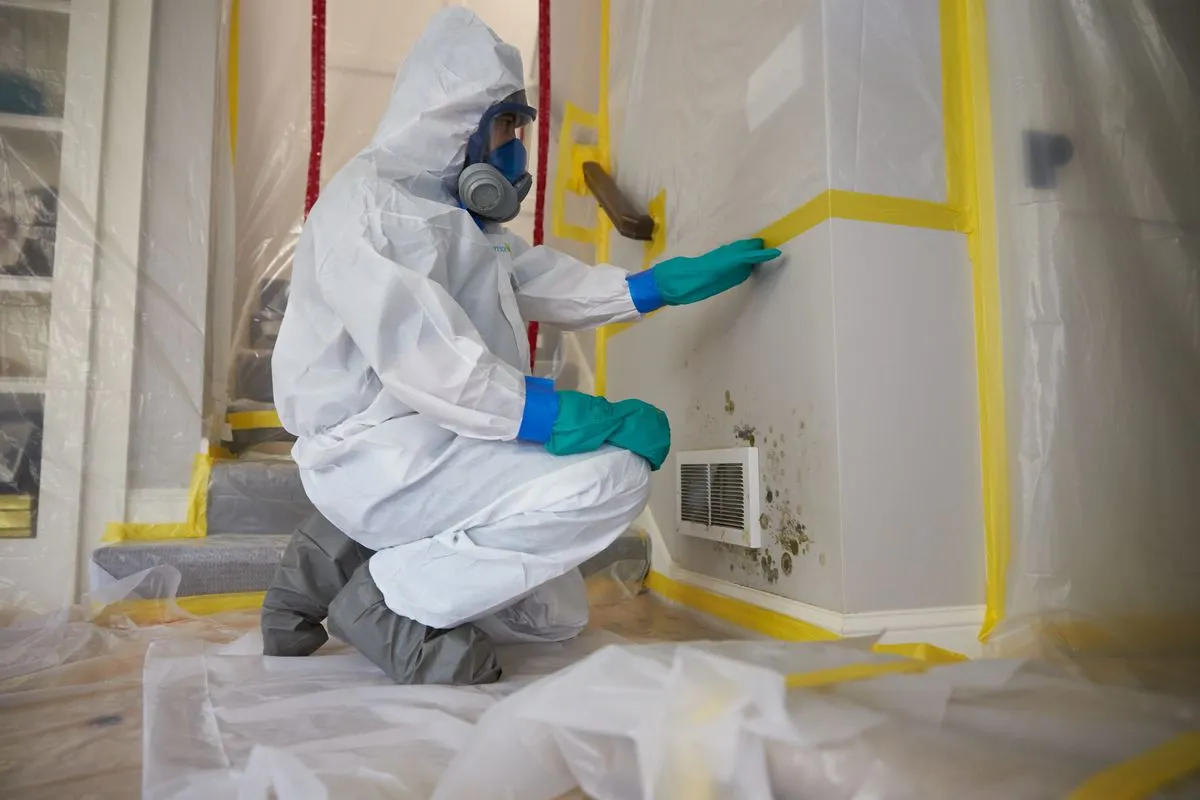
Containment — The affected area is sealed off with plastic sheeting and negative air pressure to prevent spore spread. Without containment, disturbing a mold colony sends millions of spores into your HVAC system and throughout your entire home.
HEPA air filtration — Industrial air scrubbers with HEPA filters (capturing 99.97% of particles down to 0.3 microns) run continuously during remediation. Mold spores range from 1 to 30 microns, so HEPA filtration captures them effectively.
Removal of affected materials — Contaminated drywall, insulation, carpet, and other porous materials are removed and disposed of. The visible surface growth is just the tip. The root structure (mycelium) extends deep into the material and cannot be cleaned. It has to come out.
Antimicrobial treatment — Structural elements that remain (wood framing, subfloor, concrete) are treated with professional-grade antimicrobials to kill residual mold and prevent regrowth.
Verification testing — Post-remediation air quality testing confirms that indoor mold levels have returned to normal. This is the proof that the job is done. No verification testing means no accountability.
This is the most common mistake we see in Covington and Newton County. A homeowner spots mold on a wall, grabs a bottle of bleach, and scrubs. Here is what actually happens:
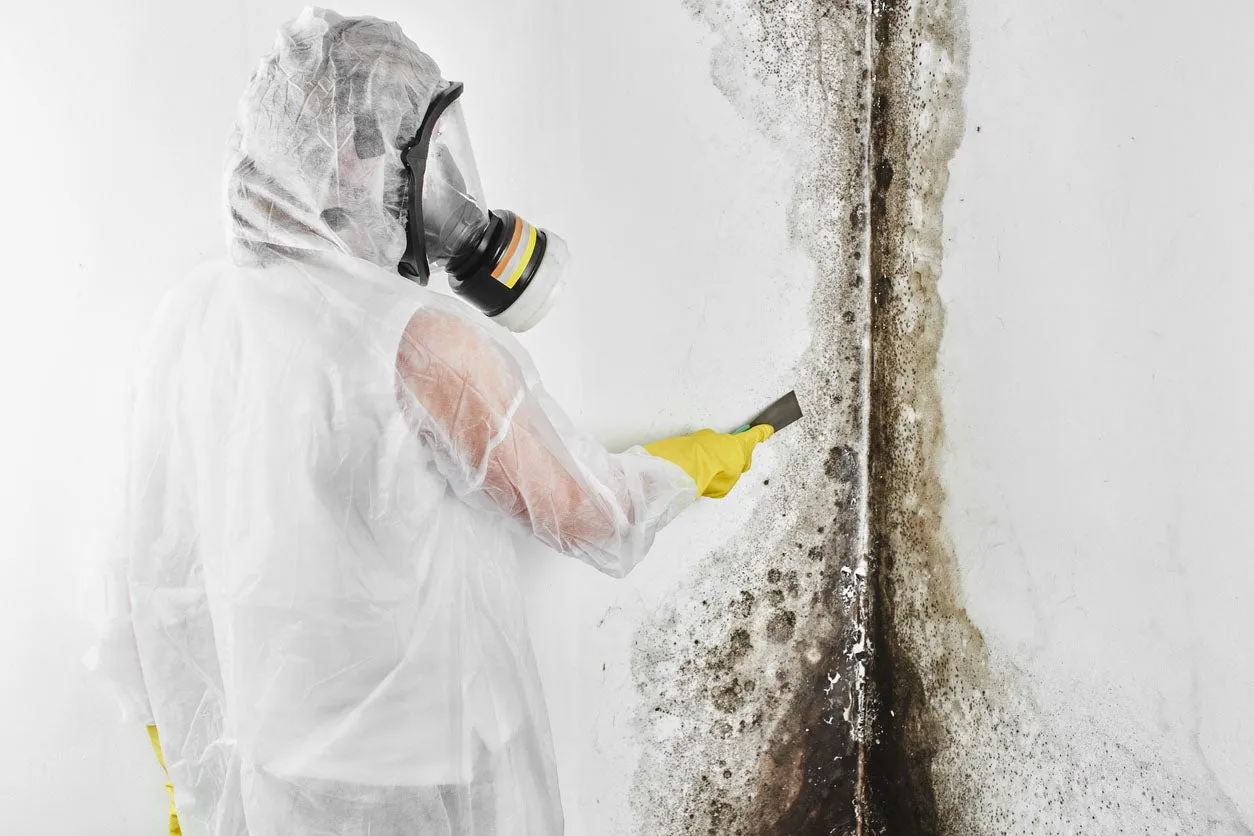
Scrubbing releases spores. A single square inch of mold can release over 1 million spores when physically disturbed. Without containment and HEPA filtration, those spores spread throughout your home, settle on new surfaces, and start new colonies wherever moisture is present.
Bleach does not penetrate porous materials. Bleach works on non-porous surfaces like tile and glass. On drywall, wood, and grout — the materials where mold actually grows in homes — bleach kills surface mold but cannot reach the mycelium below. The EPA specifically does not recommend bleach for mold cleanup on porous surfaces. The mold grows back, often within days.
You add moisture. Bleach is mostly water. When you spray it on a porous surface, you are adding moisture to the exact material where mold is already growing. You kill the surface layer and feed the root system at the same time.
The result: the mold disappears for a week or two, then comes back worse. Meanwhile, you have spread spores to new areas of your home.
Here is something most Georgia homeowners do not know: Georgia has no state license requirement for mold remediation. Anyone with a truck and a spray bottle can legally advertise mold services in Newton County. There is no state exam, no required training, no regulatory oversight.
That is why third-party certification matters. NORMI (National Organization of Remediators and Mold Inspectors) certification requires documented training, testing, and adherence to industry-standard protocols. It is the closest thing to a professional standard in a state that does not regulate the industry.
At First Response Property Restoration, our team holds NORMI certification. We follow full protocols for containment, air filtration, material removal, and verification — not because Georgia requires it, but because doing the job right requires it.
When vetting mold companies, ask two questions: Are you NORMI-certified? Do you perform post-remediation verification testing? If the answer to either is no, keep looking.
Here is the honest cost comparison:
| Approach | Upfront Cost | What You Get |
|---|---|---|
| DIY bleach and products | $50 – $200 | Surface-level treatment that fails within weeks. Spore spread to new areas. Potential health exposure. |
| Professional remediation (typical residential) | $1,500 – $5,000 | Full containment, HEPA filtration, material removal, antimicrobial treatment, verification testing. |
The DIY approach looks cheaper until you factor in what happens next. The mold returns. Health symptoms worsen. Eventually you call a professional anyway — but now the scope is larger because spores have spread. The $200 you spent on bleach turned into a $4,000 remediation that should have been $2,000 if addressed professionally the first time.
We see this pattern repeatedly in Covington homes. The cheapest mold response is the one that works the first time.
Do not attempt DIY mold treatment if any of these apply:
Mold grows fast — colonization begins within 24 to 48 hours of water exposure. The longer you wait, the larger the scope and the higher the cost.
If you are dealing with mold in your Covington or Newton County home, call First Response Property Restoration at (770) 501-6939. We are NORMI-certified, we follow full containment and verification protocols, and we give you a clear scope before work begins.
No misleading promises about “total mold removal.” Just professional remediation that returns your home to safe conditions and keeps it there.
Schedule an inspection or learn more about our mold remediation process.

Fred Terrell
Owner & NORMI-Certified Restoration Expert
Fred is the owner of First Response Property Restoration, serving Covington and Newton County since 2024. NORMI certified for mold inspection and remediation, BBB accredited, and committed to restoring homes — and peace of mind — for Georgia families.
Georgia storm season runs May through September. Here's a homeowner's checklist to protect your property from wind, rain, and flood damage.
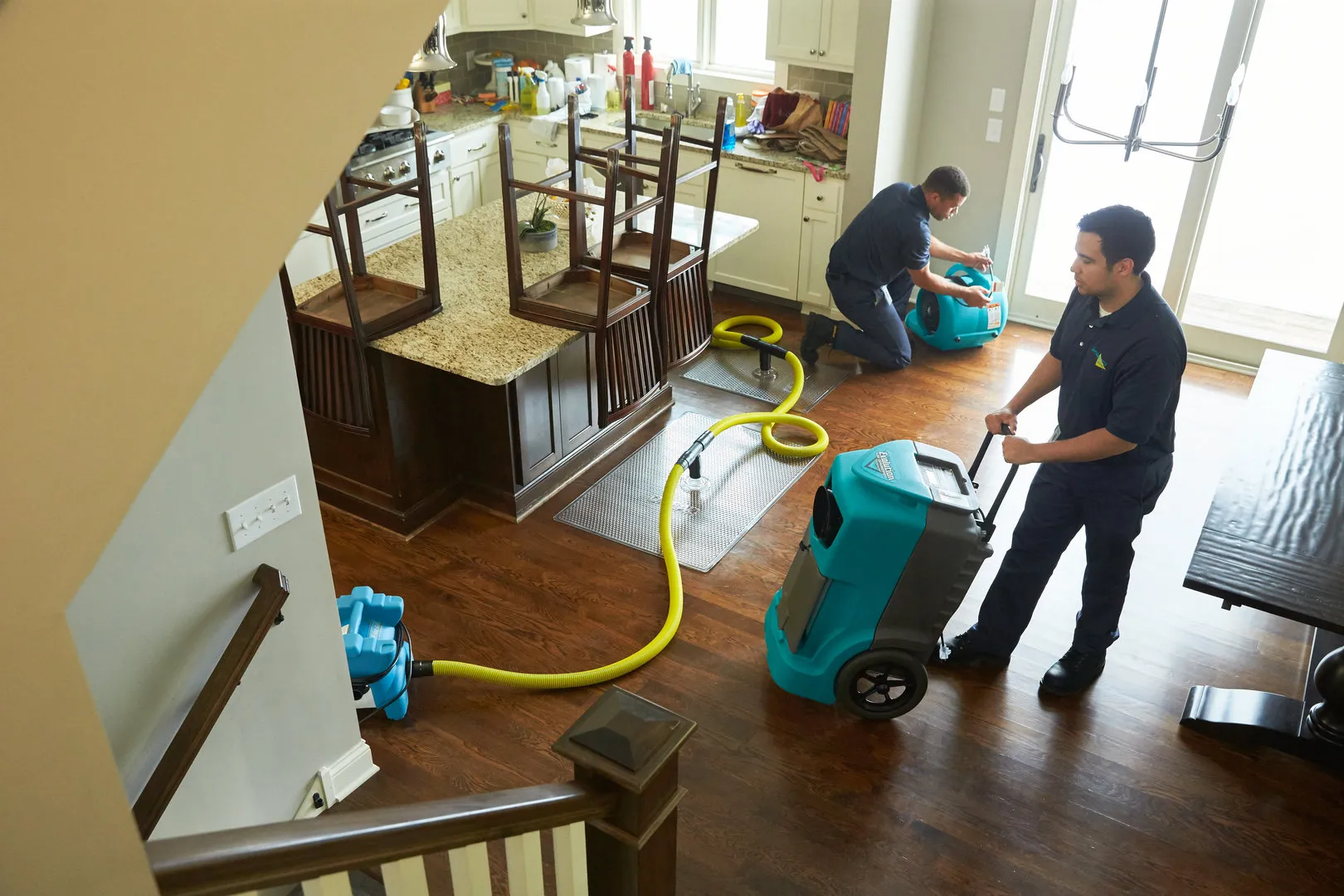
Water damage restoration takes 3 days to 3 weeks depending on severity. Here's a realistic timeline breakdown by damage category.
After a house fire, the next 24-48 hours are critical. Here's a step-by-step guide to protecting your family, your property, and your insurance claim.
Call now for immediate 24/7 emergency response in Covington and surrounding areas.