

storm damage prevention Georgia seasonal
Georgia Storm Season 2026: How to Protect Your Home
Georgia storm season runs May through September. Here's a homeowner's checklist to protect your property from wind, rain, and flood damage.
· Fred Terrell
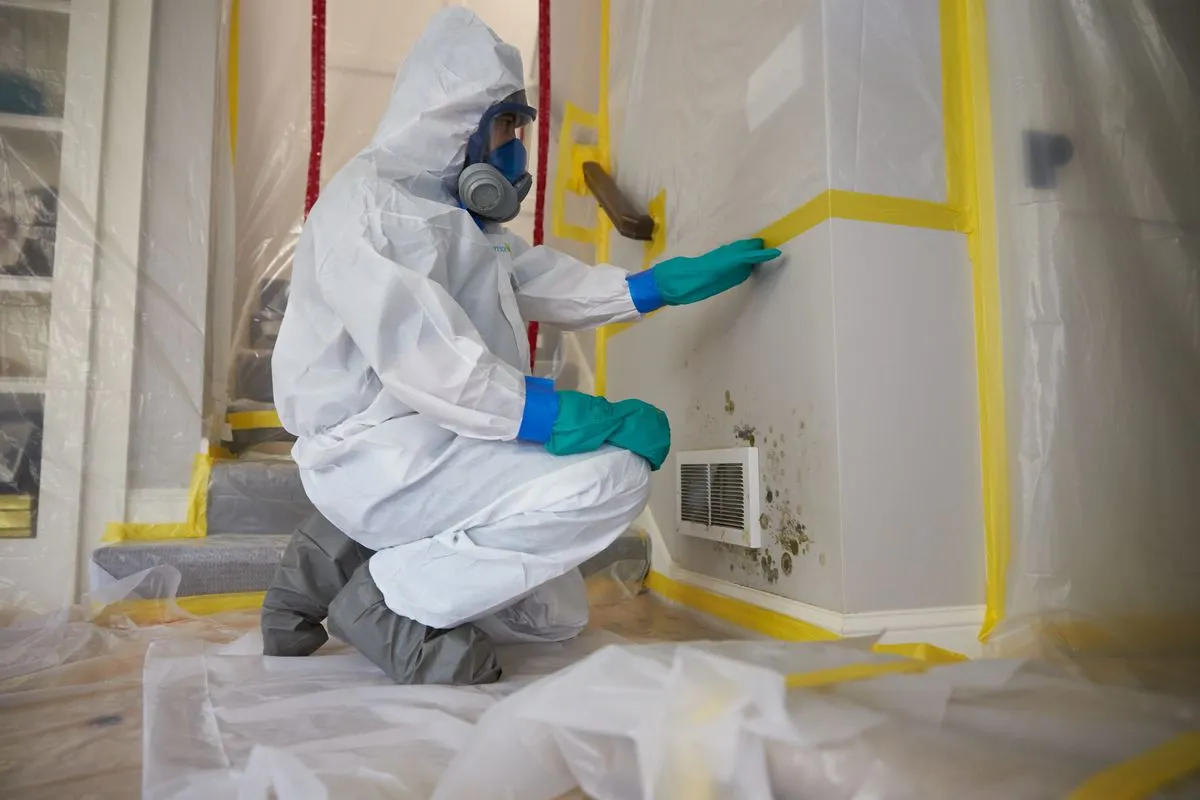
Here’s a fact that surprises most homeowners: mold can begin growing within 24 to 48 hours of water exposure. A burst pipe, a roof leak, even a slow drip behind the dishwasher — any of these can create the conditions mold needs to thrive.
In Covington and Newton County, our humid Georgia climate makes this even worse. Summer humidity levels regularly push past 80%, which means once moisture gets into your walls or subfloor, it has almost no chance of drying out on its own. Mold doesn’t need much — just moisture, warmth, and an organic surface like drywall or wood. Your house has all three in abundance.
The tricky part is that mold often grows where you can’t see it — behind walls, under flooring, inside HVAC ducts. By the time it shows up on a visible surface, the problem has usually been developing for weeks.
Here are the five warning signs to watch for.
Your nose is often the first line of defense. Mold produces microbial volatile organic compounds (MVOCs) as it feeds, and they have a distinctive smell — earthy, damp, stale. Some people describe it as the smell of rotting leaves or an old basement.
If you walk into a room and it smells “off” — especially a room that had water damage in the past — take it seriously. That smell means mold is actively growing somewhere, even if you can’t see it.
Pay particular attention to:
Trust your nose. If it smells wrong, something is growing.
Not all mold is the black fuzzy stuff you see in horror stories. Mold comes in many colors and textures:
Look at the affected surface carefully. Staining from water damage and actual mold growth can look similar. The difference: mold is usually slightly raised or fuzzy in texture. Water stains are flat. If you’re not sure, don’t touch it — call a professional for testing.
Check behind furniture, inside closets, and in corners where air circulation is poor. Mold loves stagnant air.
When moisture is trapped behind a surface, it creates visible distortion before mold becomes visible:
These symptoms mean water is already inside the structure. Where there’s trapped moisture, mold is either growing or about to. This is not a cosmetic issue — it’s a structural one that needs professional attention.
Mold releases spores into the air. When you breathe those spores in, your body treats them like any other allergen. Symptoms include:
The telltale clue: your symptoms improve when you leave the house and get worse when you come home. If you’re feeling fine at work or running errands but miserable in certain rooms of your house, mold exposure is a likely cause.
Children, elderly family members, and anyone with respiratory conditions are especially vulnerable. If anyone in your household is experiencing unexplained health symptoms after a water event, don’t brush it off. Get your home tested.
This is the most common mold scenario we see in Covington homes. A homeowner has a water event — a leak, a small flood, a toilet overflow. They clean up the visible water, run a fan for a day or two, and move on.
The problem: consumer-grade fans and dehumidifiers can’t reach moisture that has wicked into wall cavities, under subfloor layers, or behind cabinets. That hidden moisture creates a dark, damp environment where mold can grow for months before anyone notices.
Key facts:
If you had water damage more than a week ago and never had professional drying done, there’s a real chance mold is growing in your home right now.
When you scrub visible mold with bleach or spray it with an off-the-shelf product, you disturb the mold colony. This releases millions of spores into the air — which then spread to other areas of your home and get pulled into your HVAC system.
Bleach also doesn’t work on porous materials. It may kill surface mold on tile, but it can’t penetrate into drywall, wood, or carpet where the root structure (mycelium) lives. The mold grows back, often worse than before.
Professional mold remediation involves:
Our team holds NORMI (National Organization of Remediators and Mold Inspectors) certification, which means we follow industry-standard protocols that protect your family’s health during the remediation process.
Don’t wait on these situations:
If you’re seeing any of these signs in your Covington or Newton County home, call First Response Property Restoration at (770) 501-6939. We’ll assess the situation, test for mold, and give you a clear plan to fix it.
Learn more about our mold remediation services or contact us to schedule an inspection. Mold doesn’t go away on its own — and the longer you wait, the worse it gets.

Fred Terrell
Owner & NORMI-Certified Restoration Expert
Fred is the owner of First Response Property Restoration, serving Covington and Newton County since 2024. NORMI certified for mold inspection and remediation, BBB accredited, and committed to restoring homes — and peace of mind — for Georgia families.
Georgia storm season runs May through September. Here's a homeowner's checklist to protect your property from wind, rain, and flood damage.
Water damage restoration takes 3 days to 3 weeks depending on severity. Here's a realistic timeline breakdown by damage category.
Mold removal and mold remediation are not the same thing. Here's why the distinction matters and what Georgia homeowners should know.
Call now for immediate 24/7 emergency response in Covington and surrounding areas.