

storm damage prevention Georgia seasonal
Georgia Storm Season 2026: How to Protect Your Home
Georgia storm season runs May through September. Here's a homeowner's checklist to protect your property from wind, rain, and flood damage.
· Fred Terrell
Mold can begin growing within 24 to 48 hours of water exposure. Within 3 to 12 days, it colonizes structural materials. Within 1 to 3 weeks, it becomes visible to the naked eye. That is the timeline you are working against after any water event in your home — and in Georgia’s humid climate, the clock moves even faster.
Here is the full breakdown of what happens after water damage, hour by hour.
Water soaks into porous materials — drywall, wood framing, carpet padding, insulation. Even after you mop up visible water, moisture wicks deep into these materials through capillary action. Drywall can absorb water up to 3/4 inch from the point of contact within the first day.
At this stage, the damage is invisible. The surfaces might even feel dry to the touch. But inside the walls and under the flooring, moisture levels are high enough to support mold growth.
What to do: Call a professional restoration company. Industrial water extraction and commercial dehumidifiers need to be running within this window to prevent mold. A shop vac and a box fan cannot reach moisture inside wall cavities.
Mold spores are everywhere — in your air, on your surfaces, in your HVAC system. They are dormant until they find the right conditions: moisture, warmth (above 60°F), and an organic food source. Your water-damaged drywall and wood framing provide all three.
Within 24 to 48 hours of water exposure, dormant spores begin to germinate. They send out hyphae — microscopic root-like threads that penetrate into the material they are growing on. At this point, the mold is alive and feeding, but still invisible.
In Covington and Newton County, average indoor temperatures sit above 70°F for most of the year, and summer humidity regularly exceeds 80%. These conditions accelerate germination. What takes 48 hours in a dry northern climate can happen in 24 hours in Georgia.
What to do: If professional drying has not started by this point, mold growth is likely beginning. Do not wait to see visible signs. Call for a mold assessment.
The hyphae network spreads through the material — behind drywall, through carpet padding, along wood studs. The mold colony is now established and growing rapidly. It is producing mycotoxins (toxic compounds) and MVOCs (microbial volatile organic compounds) that give off a musty, earthy smell.
At this stage, you might notice a strange odor in the affected area, even though the surfaces look clean. That smell is the mold colony feeding and releasing metabolic byproducts.
The colonization rate depends on the material. Drywall paper — the paper backing on gypsum board — is one of mold’s favorite food sources. Untreated wet drywall can be fully colonized in as little as 5 to 7 days under Georgia humidity conditions. Carpet padding is another fast colonizer because it absorbs water like a sponge and stays wet long after the carpet above it feels dry.
What to do: Professional mold inspection with moisture meters and air quality testing. If colonization has begun, the affected materials likely need to be removed, not just dried.
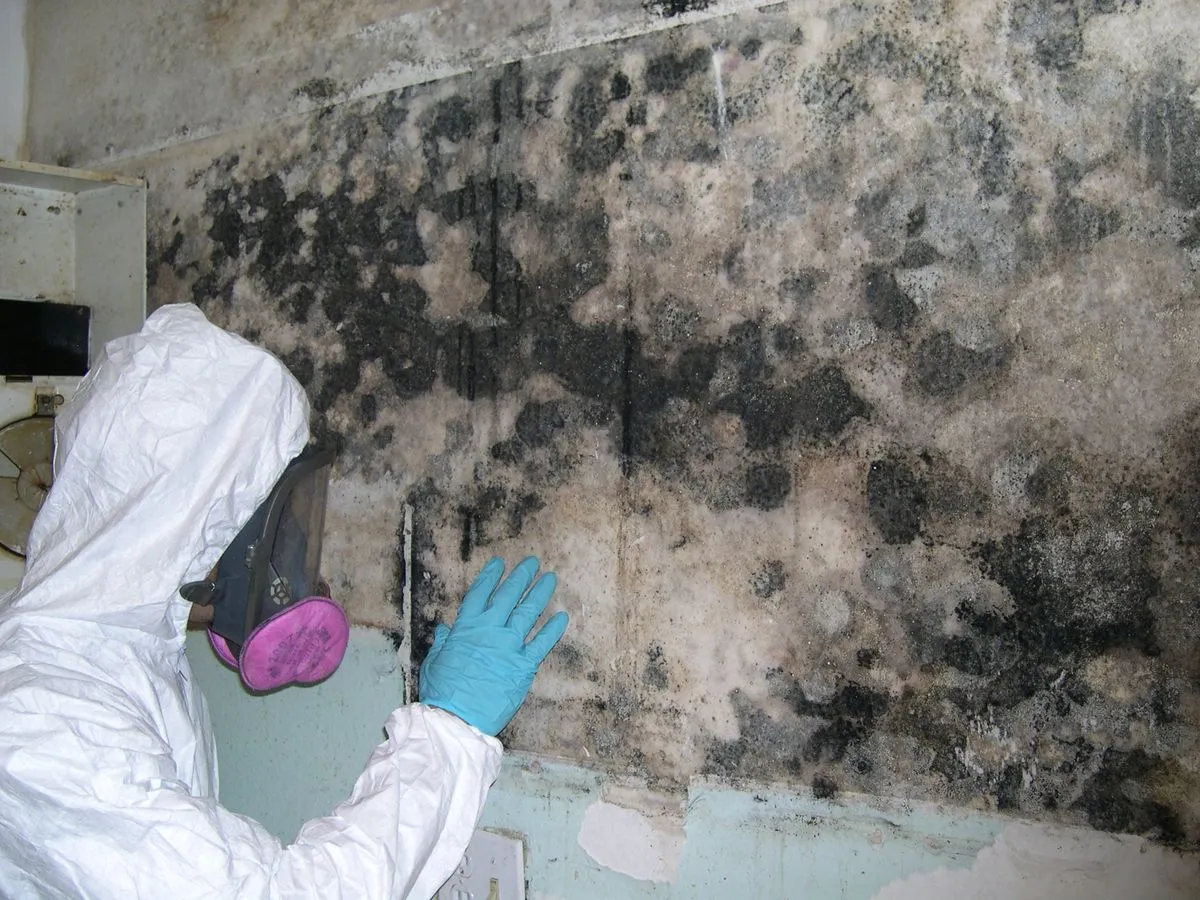
This is when most homeowners first realize they have a mold problem. The colony has grown large enough to produce visible fruiting bodies — the fuzzy or discolored patches you see on walls, ceilings, and baseboards.
By this point, the mold has been growing for one to three weeks. The visible portion is just the surface. Behind the drywall, under the flooring, and inside wall cavities, the colony is much larger than what you can see.
Common visible mold appearances:
What to do: Do not disturb the mold. Scrubbing or spraying it releases millions of spores into the air, spreading contamination throughout your home. Call a NORMI-certified mold remediation company for professional containment and removal.
Not all water damage situations produce mold at the same rate. Several factors accelerate the timeline:
Mold grows fastest between 77°F and 86°F — exactly the range of a Georgia summer. Growth slows below 60°F and above 100°F, but most common household molds can survive and grow at any temperature you would find comfortable.
Georgia’s outdoor humidity regularly exceeds 80% during summer months. If your home’s HVAC system was disrupted by the water damage — or if you opened windows to “air things out” during a humid day — you may have actually introduced more moisture into the structure.
Indoor relative humidity above 60% supports active mold growth. Professional restoration targets 40 to 50% indoor humidity during drying.
Organic, porous materials get colonized fastest:
Non-porous materials like tile, glass, and metal do not feed mold — but they can have mold growing on dust and organic residue on their surfaces.
Stagnant air traps moisture against surfaces and creates microclimates where humidity stays high. Closets, behind furniture, inside wall cavities, and under cabinets are high-risk areas because air does not circulate well.
Living in Covington, I see it constantly: Georgia’s climate is a mold factory. The combination of high heat, high humidity, frequent afternoon thunderstorms, and clay-heavy soil (which holds moisture around foundations) creates conditions where mold does not need much of an invitation.
A few Georgia-specific risk factors:
Here is the financial reality of mold growth timelines:
| Timeline | Typical Restoration Scope | Estimated Cost |
|---|---|---|
| 0–24 hours (drying only) | Water extraction + industrial drying | $1,500 – $4,000 |
| 48–72 hours (early mold) | Drying + antimicrobial treatment | $3,000 – $6,000 |
| 1–2 weeks (established mold) | Drying + mold remediation + material removal | $5,000 – $10,000 |
| 3+ weeks (extensive mold) | Full remediation + reconstruction | $8,000 – $15,000+ |
The difference between a $3,000 job and a $15,000 job is often just a matter of days. Speed is not a sales pitch — it is the most effective way to keep restoration costs down.
If your home has experienced any water damage — a burst pipe, an appliance leak, a roof leak, storm flooding — do not wait to see if mold appears. By the time you see it, the colony is weeks old and the remediation scope has multiplied.
Call First Response Property Restoration at (770) 501-6939. We are NORMI-certified mold professionals serving Covington and Newton County. We respond 24/7 and can be on site within 60 to 90 minutes with professional extraction and drying equipment.
The 48-hour clock starts the moment water touches your home. Do not let it run out.
Learn more about our mold remediation services or read our guide on 5 signs of mold after water damage.

Fred Terrell
Owner & NORMI-Certified Restoration Expert
Fred is the owner of First Response Property Restoration, serving Covington and Newton County since 2024. NORMI certified for mold inspection and remediation, BBB accredited, and committed to restoring homes — and peace of mind — for Georgia families.
Georgia storm season runs May through September. Here's a homeowner's checklist to protect your property from wind, rain, and flood damage.
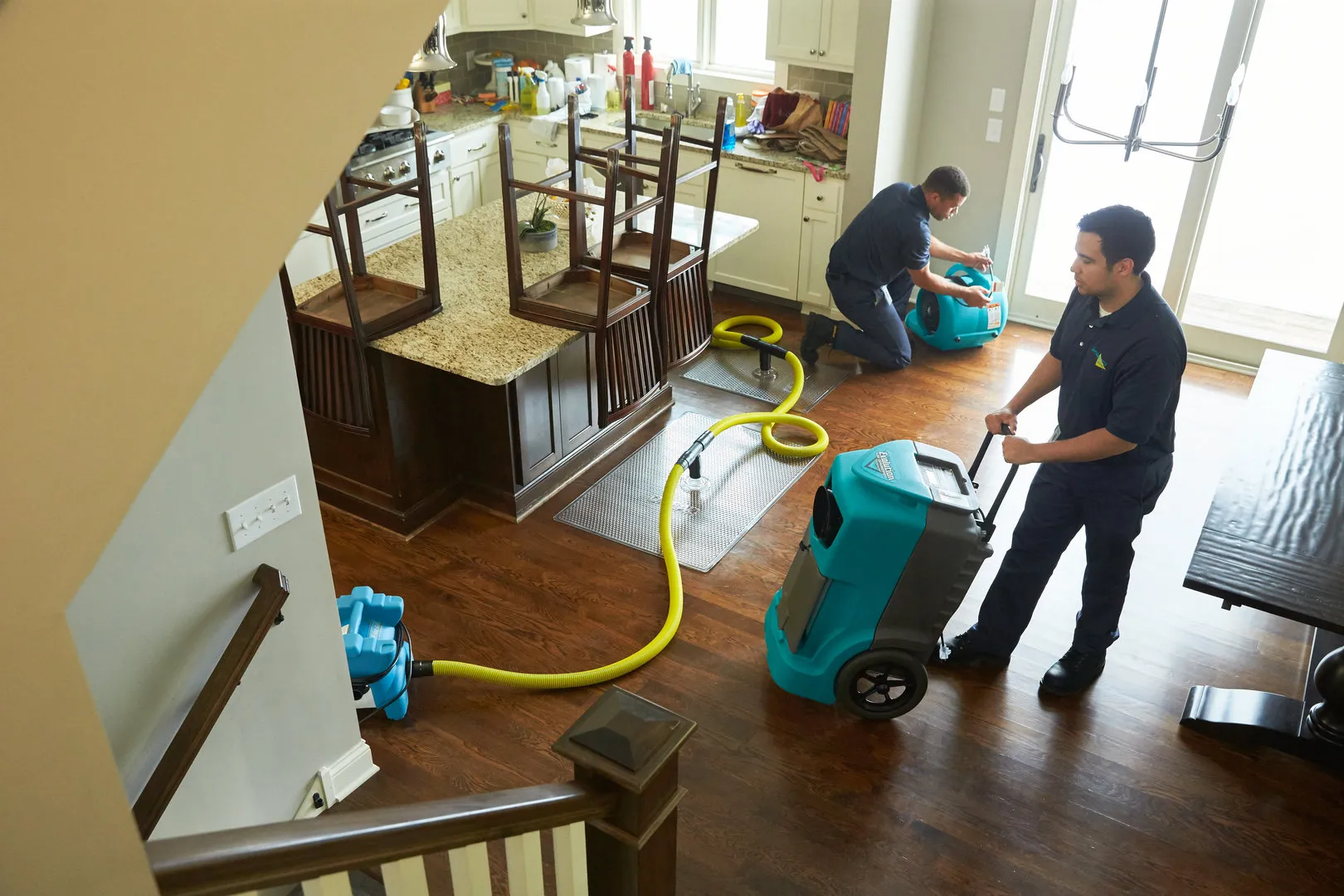
Water damage restoration takes 3 days to 3 weeks depending on severity. Here's a realistic timeline breakdown by damage category.
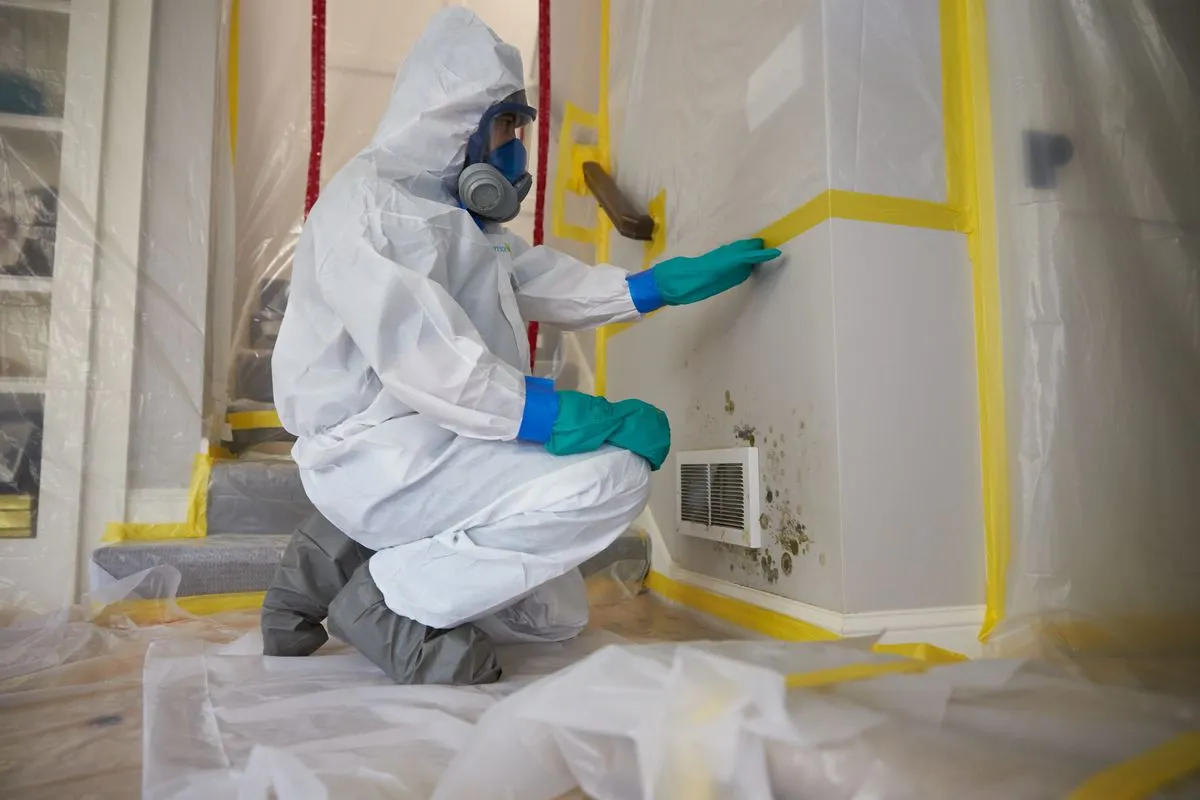
Mold removal and mold remediation are not the same thing. Here's why the distinction matters and what Georgia homeowners should know.
Call now for immediate 24/7 emergency response in Covington and surrounding areas.