
storm damage prevention Georgia seasonal
Georgia Storm Season 2026: How to Protect Your Home
Georgia storm season runs May through September. Here's a homeowner's checklist to protect your property from wind, rain, and flood damage.
· Fred Terrell
If you’re searching for what to do after a house fire, here’s the short answer: stay out until the fire department clears you, call your insurance company, and get a professional restoration team on-site as fast as possible. Every hour matters. The smoke, soot, and water sitting in your home right now are causing damage that gets worse — and more expensive — by the minute.
I’m Fred Terrell, owner of First Response Property Restoration in Covington, Georgia. I’ve walked through hundreds of fire-damaged homes across Newton County. The families who recover fastest are the ones who take the right steps in the right order. Here’s exactly what that looks like.
Do not re-enter your home until the fire department gives you explicit clearance. Period.
Even after flames are out, structural damage can make floors, ceilings, and stairways collapse without warning. The air inside is toxic — a single house fire produces over 100 different toxic chemicals including hydrogen cyanide and carbon monoxide, according to the National Fire Protection Association.
Once you have clearance, wear an N95 mask, long sleeves, and closed-toe shoes before stepping inside. If the fire department has not cleared the structure, stay out. No photo album or laptop is worth your life.
Call your insurance carrier within 24 hours. Most Georgia homeowners policies require prompt notification, and delays can jeopardize your claim.
When you call, ask for:
The average fire damage insurance claim in the U.S. is approximately $77,340, according to the Insurance Information Institute. That is a significant amount of money, and how well you document and manage the process determines how much of that you actually receive.
Your home is exposed right now. Broken windows, holes in the roof, doors that no longer latch — all of it invites weather damage, theft, and animals.
Board-up and tarping should happen within the first 24 hours. Most insurance policies cover this as part of your claim because it prevents further loss. Do not skip this step. I have seen homes in Newton County where rain poured through fire-damaged roofs for days because nobody secured the property, turning a $30,000 fire job into a $70,000 fire-and-water job.
Our emergency restoration team handles board-up and tarping as part of our immediate response. We can typically be on-site within 60 to 90 minutes of your call.
Before anyone touches anything, grab your phone and record everything. This is the single most important thing you can do for your insurance claim.
Fire losses in the U.S. totaled an estimated $18 billion in direct property damage in 2023 alone, according to the NFPA. Insurance companies process thousands of these claims. The ones with thorough documentation get paid fairly. The ones without it get shortchanged.
Here is the part most homeowners do not think about: the water used to put out the fire is now soaking into your floors, walls, and foundation. A single fire hose delivers 150 to 250 gallons per minute. Even a short firefighting effort can dump thousands of gallons into your home.
That water is not clean. It is mixed with ash, soot, melted plastics, and chemical residue. If it sits for more than 48 hours, mold growth begins — and now you have a fire damage problem AND a mold problem.
Professional water damage restoration needs to start immediately alongside the fire restoration process. Industrial extractors, dehumidifiers, and air movers need to be running as soon as the structure is cleared.
Smoke and soot do not stop damaging your home when the fire goes out. Soot is acidic. It etches into glass, corrodes metal fixtures, and permanently discolors surfaces if it is not removed within 72 hours.
Professional smoke damage cleanup involves:
Do not try to clean soot with household cleaners. Wiping soot with a wet rag drives it deeper into the material and makes it permanent. This requires specialized products and techniques.
Once emergency stabilization is complete — the structure is secured, water is extracted, and soot removal has begun — the rebuild process starts.
Fire damage restoration typically includes:
The timeline depends on severity. A contained kitchen fire might take four to six weeks to fully restore. A major structural fire can take three to six months. The national average for fire damage restoration is approximately $12,000 to $50,000 depending on the scope, but severe fires can exceed six figures.
A house fire is one of the most overwhelming things a family can go through. But the recovery process does not have to be chaotic. If you follow these seven steps — stay safe, call insurance, secure the property, document everything, address water, clean soot, and start restoration — you give yourself the best possible outcome.
At First Response Property Restoration, we handle every phase of this process for homeowners across Covington, Newton County, and greater Georgia. We work directly with your insurance company. We manage the project from emergency response through final rebuild. One company, one point of contact, start to finish.
If your home has been damaged by fire, call us now at (770) 501-6939. We respond 24/7 and can be on-site within the hour.
Don’t wait for the damage to get worse. Contact us today and let’s start getting your home back.

Fred Terrell
Owner & NORMI-Certified Restoration Expert
Fred is the owner of First Response Property Restoration, serving Covington and Newton County since 2024. NORMI certified for mold inspection and remediation, BBB accredited, and committed to restoring homes — and peace of mind — for Georgia families.
Georgia storm season runs May through September. Here's a homeowner's checklist to protect your property from wind, rain, and flood damage.
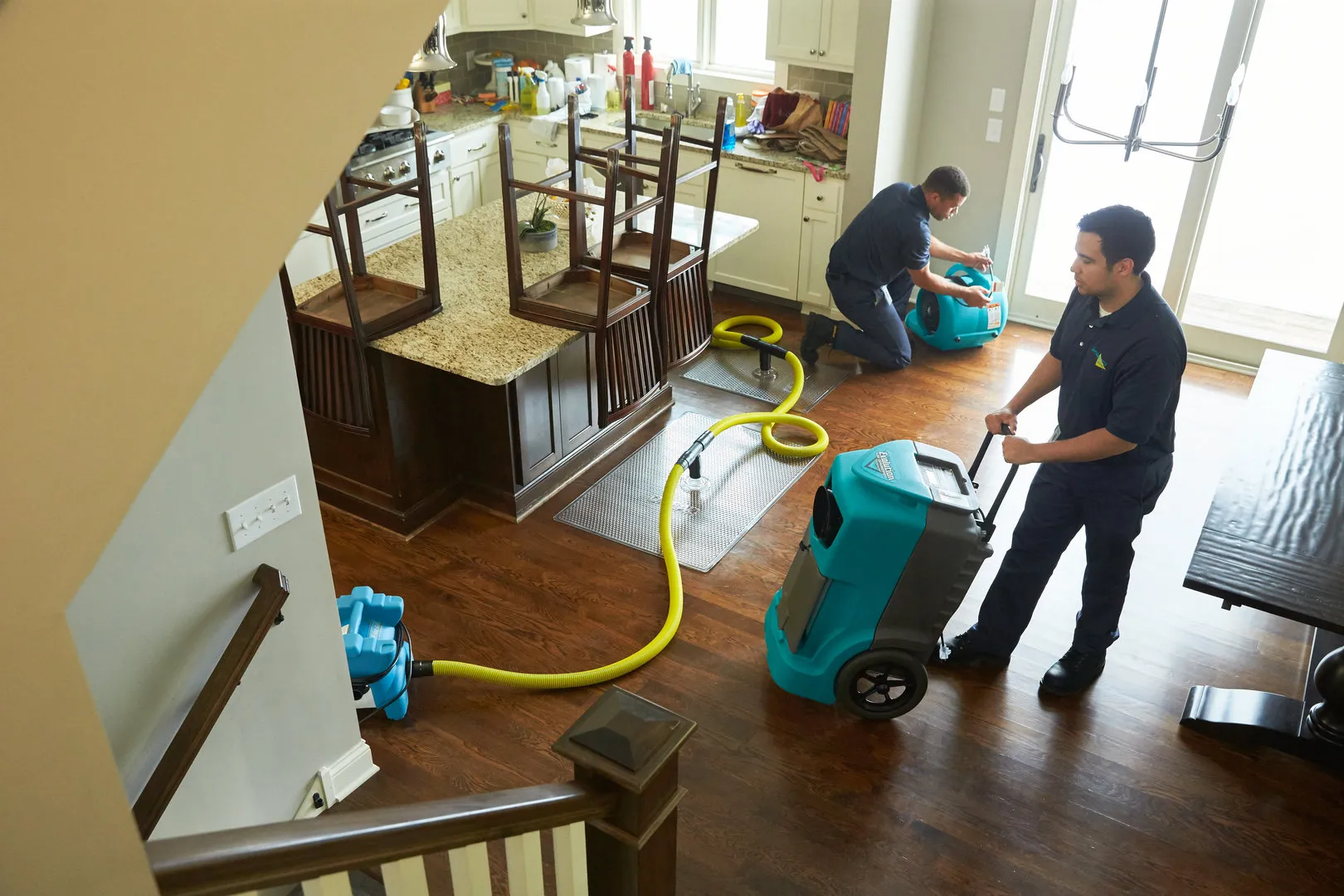
Water damage restoration takes 3 days to 3 weeks depending on severity. Here's a realistic timeline breakdown by damage category.
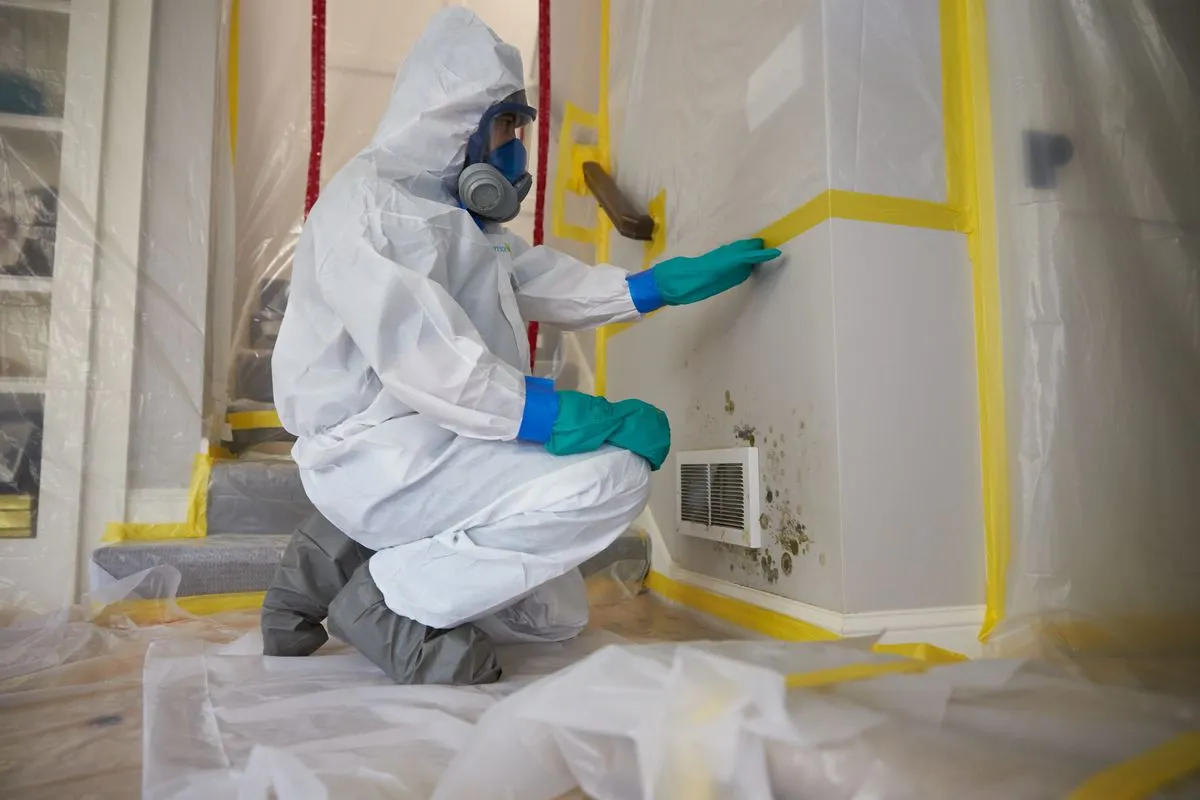
Mold removal and mold remediation are not the same thing. Here's why the distinction matters and what Georgia homeowners should know.
Call now for immediate 24/7 emergency response in Covington and surrounding areas.