

storm damage prevention Georgia seasonal
Georgia Storm Season 2026: How to Protect Your Home
Georgia storm season runs May through September. Here's a homeowner's checklist to protect your property from wind, rain, and flood damage.
· Fred Terrell
It’s 2 a.m. You wake up to the sound of running water — but nobody’s in the shower. You step out of bed and your feet hit a cold, wet carpet. Your heart drops. A pipe has burst somewhere in the walls, and water is spreading fast.
I’ve responded to hundreds of calls exactly like this across Covington and Newton County. The panic is real. But what you do in the next 30 minutes makes the difference between a manageable repair and tens of thousands of dollars in damage.
Here’s the step-by-step playbook.
This is the single most important thing you can do. Every second that water keeps flowing is more damage to your floors, walls, and belongings.
Find your main water shutoff valve. In most Covington homes, it’s in one of three places:
Turn it clockwise to close. If it’s a ball valve (lever handle), turn it perpendicular to the pipe.
Pro tip: Find this valve right now, while you’re calm. Stick a bright-colored tag on it. At 2 a.m. in ankle-deep water is not the time to start searching.
Water and electricity are a lethal combination. If water is near any outlets, light switches, or your electrical panel, do not wade through it.
Go to your breaker box and shut off the circuits for any rooms with standing water. If you can’t reach the breaker safely, leave the house and call your power company.
This isn’t optional. I’ve seen homeowners electrocuted trying to save belongings in flooded basements. Nothing in your house is worth that risk.
Every minute water sits, it’s soaking deeper — into your subfloor, behind your baseboards, into your wall cavities. Fast action matters.
What to do right now:
Don’t wait for a professional to start. Get as much water out as you can while help is on the way.
Before you clean up too much, grab your phone and document the damage. Insurance claims live and die by documentation.
Call your insurance company as soon as possible. Most policies require prompt notification for water damage claims. Ask for a claim number and write it down.
Here’s the part most homeowners don’t realize: the water you can see is only part of the problem.
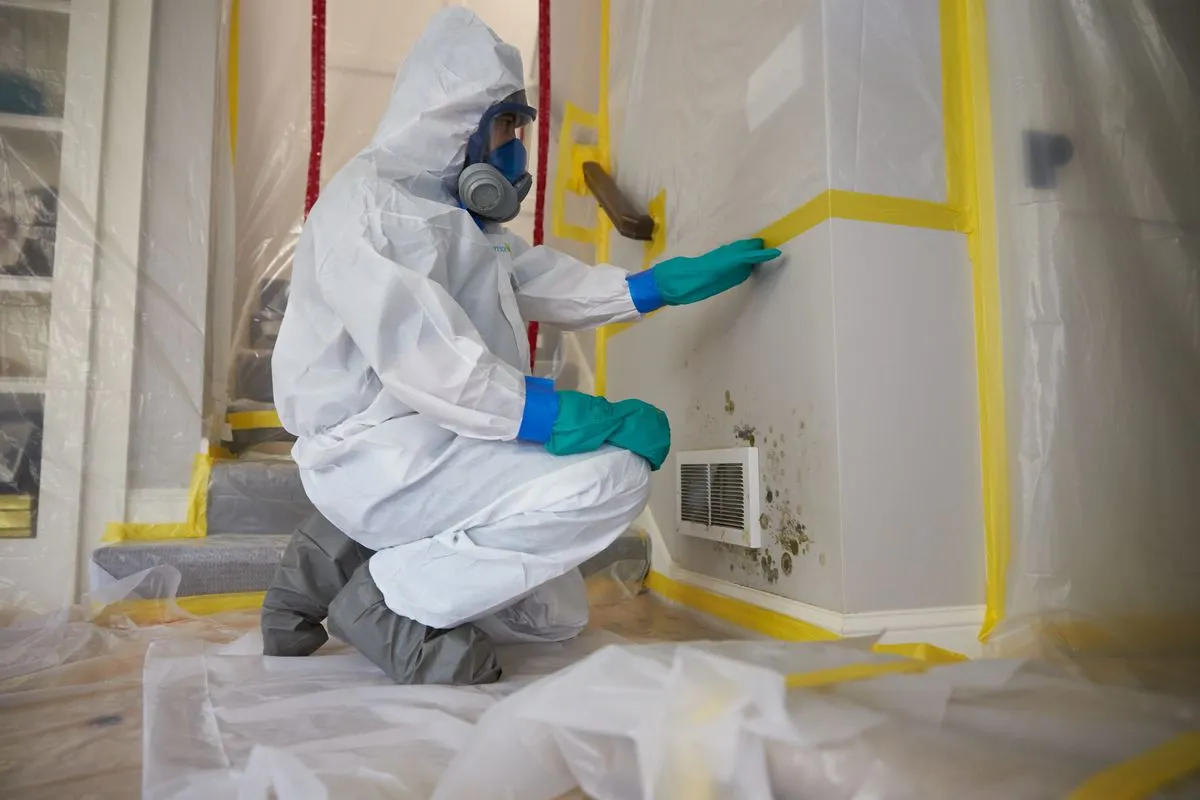
Water wicks into drywall, seeps under flooring, and saturates insulation. Within 24 to 48 hours, that hidden moisture becomes a breeding ground for mold. Once mold takes hold, your repair bill can double or triple.
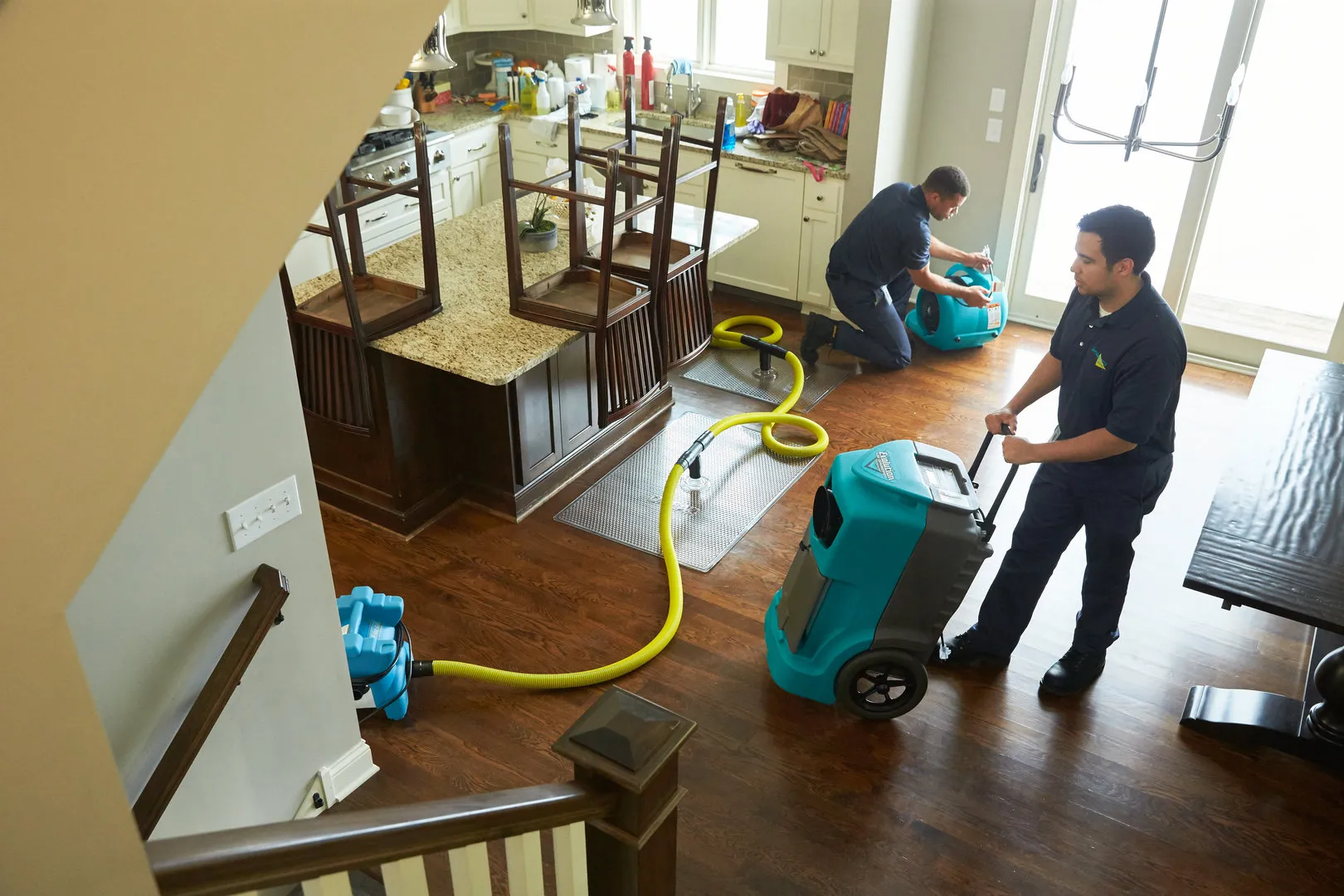
Professional water damage restoration involves:
A shop vac and a box fan can’t do what commercial-grade equipment does. Not even close.
If you’re in the Covington area, our water damage restoration team responds around the clock and can typically be on-site within 60 minutes.
A few critical mistakes I see homeowners make:
A burst pipe is stressful. But if you follow these steps — shut off water, kill the power, remove water, document damage, call a pro — you’ll minimize the damage and give yourself the best shot at a smooth insurance claim.
If you’re dealing with a burst pipe in Covington or Newton County, call First Response Property Restoration at (770) 501-6939. We respond 24/7, and we work directly with your insurance company.
Don’t wait. Contact us now — we’ll get your home back to normal.

Fred Terrell
Owner & NORMI-Certified Restoration Expert
Fred is the owner of First Response Property Restoration, serving Covington and Newton County since 2024. NORMI certified for mold inspection and remediation, BBB accredited, and committed to restoring homes — and peace of mind — for Georgia families.
Georgia storm season runs May through September. Here's a homeowner's checklist to protect your property from wind, rain, and flood damage.
Water damage restoration takes 3 days to 3 weeks depending on severity. Here's a realistic timeline breakdown by damage category.
Mold removal and mold remediation are not the same thing. Here's why the distinction matters and what Georgia homeowners should know.
Call now for immediate 24/7 emergency response in Covington and surrounding areas.