

storm damage prevention Georgia seasonal
Georgia Storm Season 2026: How to Protect Your Home
Georgia storm season runs May through September. Here's a homeowner's checklist to protect your property from wind, rain, and flood damage.
· Fred Terrell
Newton County homes face a higher risk of water damage than most Georgia homeowners realize. Between the Yellow River flood zone, 50+ inches of annual rainfall, clay-heavy soil that traps moisture against foundations, and an aging housing stock with outdated plumbing — the conditions are stacked against you. Here is what makes our area uniquely vulnerable and what you can do to protect your home.
The Yellow River runs directly through Newton County, crossing through Covington and into Porterdale before continuing south. It is the defining waterway of our area — and it is also a significant flood risk.
Porterdale residents know this firsthand. The town sits at a low elevation along the river, and during heavy rain events, the Yellow River can rise rapidly. The USGS monitoring station on the Yellow River at Porterdale has recorded multiple flood events in recent years, with water levels exceeding the action stage during severe storms.
FEMA flood maps show significant flood zones extending along the Yellow River and its tributaries throughout Newton County. Properties within these zones face the highest risk, but flooding is not limited to FEMA-designated areas. In heavy downpours, stormwater overwhelms drainage systems throughout Covington and surrounding communities, sending water into streets, yards, and basements that have never flooded before.
Key fact: Standard homeowners insurance does not cover flood damage. If your property is in or near a Yellow River flood zone, you need separate flood insurance through the NFIP or a private carrier — and there is a 30-day waiting period before coverage begins. Do not wait until storm season.
Newton County receives an average of 50 to 54 inches of rainfall per year. That is roughly 15 inches above the national average of 38 inches. Much of that rain falls in concentrated bursts — the afternoon thunderstorms that are a fact of life from May through September.
A single severe thunderstorm can dump 2 to 4 inches of rain in an hour. When that happens, the ground cannot absorb it fast enough. Storm drains overflow. Gutters back up. Water pools around foundations. And if there is any weakness in your roof, windows, or foundation waterproofing, the water finds its way in.
The numbers paint a clear picture:
Georgia’s Severe Weather Preparedness Week runs the first week of February each year. If you have not checked your gutters, roof, and foundation waterproofing by then, you are starting storm season exposed.
If you have ever tried to dig in your Newton County yard, you know exactly what we are talking about. Georgia red clay is dense, sticky, and does not drain well. That is a problem for your foundation.
In well-draining sandy soil, rainwater percolates down and away from your home relatively quickly. In clay soil, water sits. It pools around your foundation. It saturates the ground and creates hydrostatic pressure — the force of water pushing against your foundation walls. Over time, that pressure forces water through cracks, joints, and porous concrete into your basement or crawl space.
Here is the cycle that damages Newton County homes:
This is a chronic problem, not a one-time event. Many Covington homes have foundation moisture issues that worsen every year. By the time homeowners notice water in the basement or musty smells in the crawl space, the problem has been building for years.
The fix: Professional foundation waterproofing, proper grading to direct water away from the foundation, functioning gutters and downspouts that discharge at least 6 feet from the house, and in crawl spaces, a proper vapor barrier.
Newton County has a mix of housing ages, from historic downtown Covington homes built in the early 1900s to modern subdivisions. The older homes are particularly vulnerable to water damage for several reasons:
Homes built before the 1980s may still have galvanized steel pipes that corrode from the inside, narrowing over time and eventually developing pinhole leaks. These leaks often occur inside walls where they go unnoticed for weeks or months, causing extensive hidden damage and mold growth.
Homes built in the 1990s and early 2000s may have polybutylene pipes (gray plastic), which are known to fail and have been the subject of class-action lawsuits. If your Newton County home has polybutylene plumbing, replacement is strongly recommended before a failure occurs.
Many older Covington homes have crawl spaces without modern vapor barriers. An unprotected crawl space in Georgia’s humid climate acts like a sponge, pulling moisture from the ground and from the air. That moisture migrates upward into your floor joists, subfloor, and living spaces. Relative humidity in an unprotected Georgia crawl space can exceed 90% — well above the 60% threshold where mold growth begins.
Older homes were often built without French drains, sump pumps, or modern gutter systems. Some have no gutters at all. Without proper water management, every rainstorm sends water directly against the foundation.
The average water heater lasts 8 to 12 years. The average washing machine lasts 10 to 14 years. If your Newton County home still has its original appliances, they are operating on borrowed time. Appliance failures are one of the top three causes of indoor water damage we respond to in Covington.
Based on our experience responding to water damage calls across Newton County, these areas see the most frequent water damage:
That said, water damage does not discriminate by neighborhood. New construction in Newton County subdivisions also faces risk from storm damage, appliance failures, and the ever-present Georgia humidity.
You cannot change the climate or the soil. But you can reduce your risk:
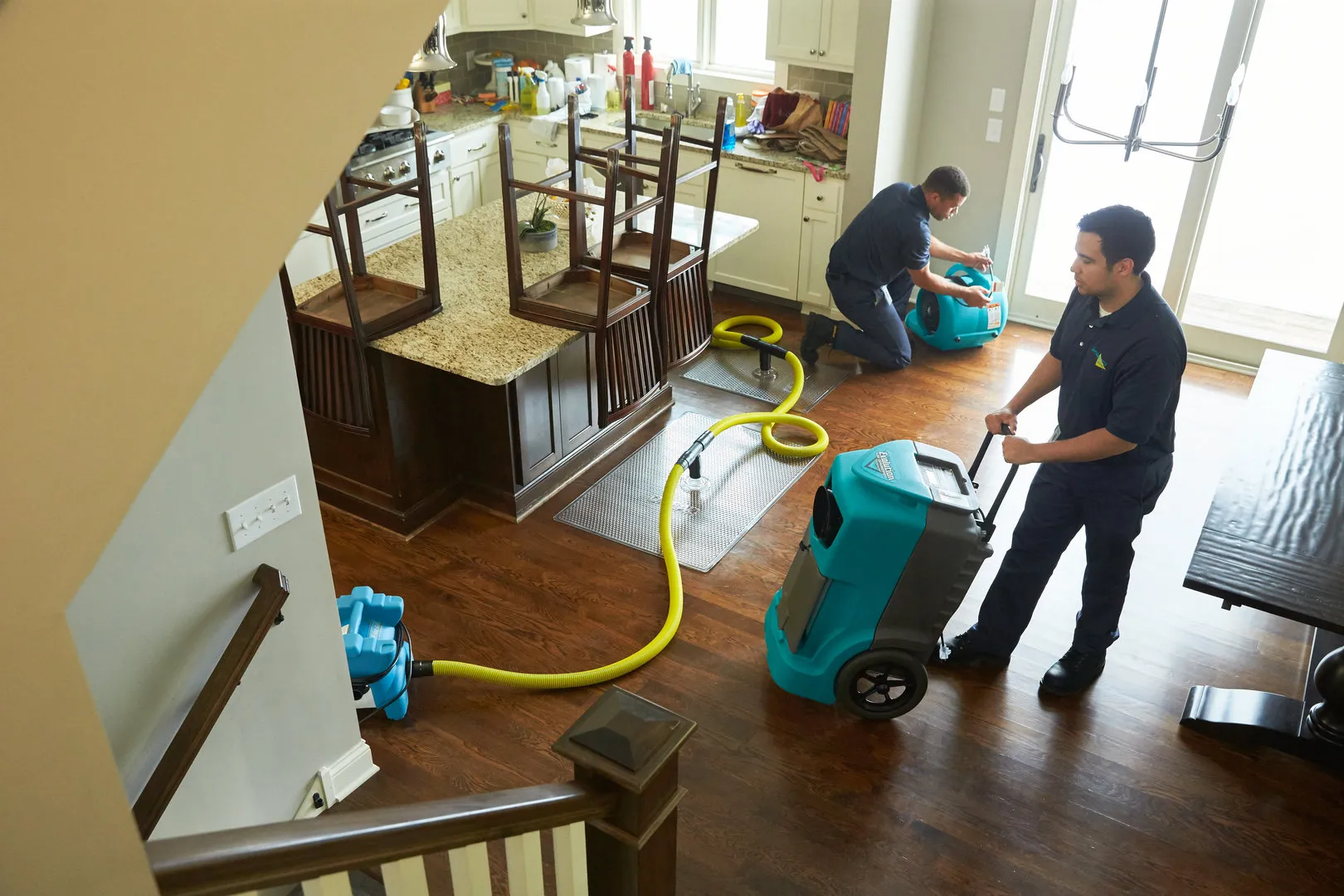
Even with the best preparation, water damage can still happen. Newton County’s climate and geography guarantee that. When it does, the most important thing is speed.
Call First Response Property Restoration at (770) 501-6939. We are based in Covington, we know these neighborhoods, and we can be at your door within 60 to 90 minutes — day or night. We handle water extraction, structural drying, mold prevention, and full restoration, and we work directly with your insurance company.
Your Newton County home deserves a restoration company that understands the specific risks this area faces. That is what we do.
Learn more about our water damage restoration, mold remediation, or emergency services. Or see all the communities we serve.

Fred Terrell
Owner & NORMI-Certified Restoration Expert
Fred is the owner of First Response Property Restoration, serving Covington and Newton County since 2024. NORMI certified for mold inspection and remediation, BBB accredited, and committed to restoring homes — and peace of mind — for Georgia families.
Georgia storm season runs May through September. Here's a homeowner's checklist to protect your property from wind, rain, and flood damage.
Water damage restoration takes 3 days to 3 weeks depending on severity. Here's a realistic timeline breakdown by damage category.

Mold removal and mold remediation are not the same thing. Here's why the distinction matters and what Georgia homeowners should know.
Call now for immediate 24/7 emergency response in Covington and surrounding areas.